OTHER COMMONLY USED LIGHTING TERMS:
• Watt is a unit of electrical power. Lamps are rated in watts to indicate the rate at which they consume energy.
• LPW (Lumens per Watt) is a measurement of how effective the light source is in converting electrical energy into lumens of visible light. (Modern lighting embraces the concepts of efficacy and efficiency, with the overall aim of providing energy-saving solutions.)
• LOR (Light Output Ratio) is a figure that shows how much light gets lost inside a luminaire.
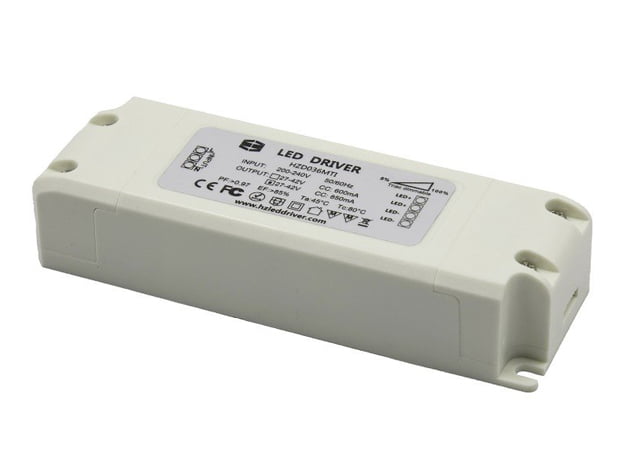
• Dimming Control is another popular energy-conserving device. It is used to lower the light output of a source by reducing its operational wattage. Lamps will state whether they are dimmable and hence, whether the lamp lumens can be varied while maintaining reliability.
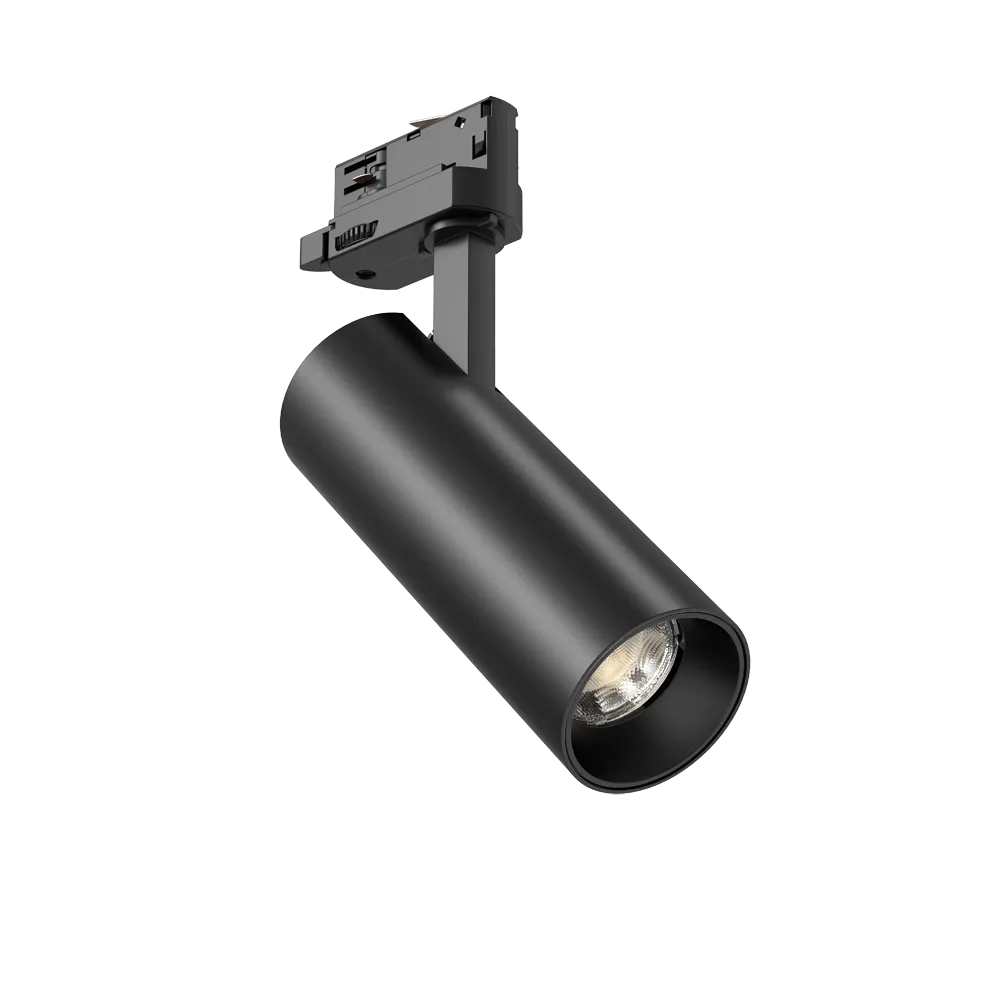
• Floodlight is a luminaire used to light a scene or object to a level much brighter than its surroundings.
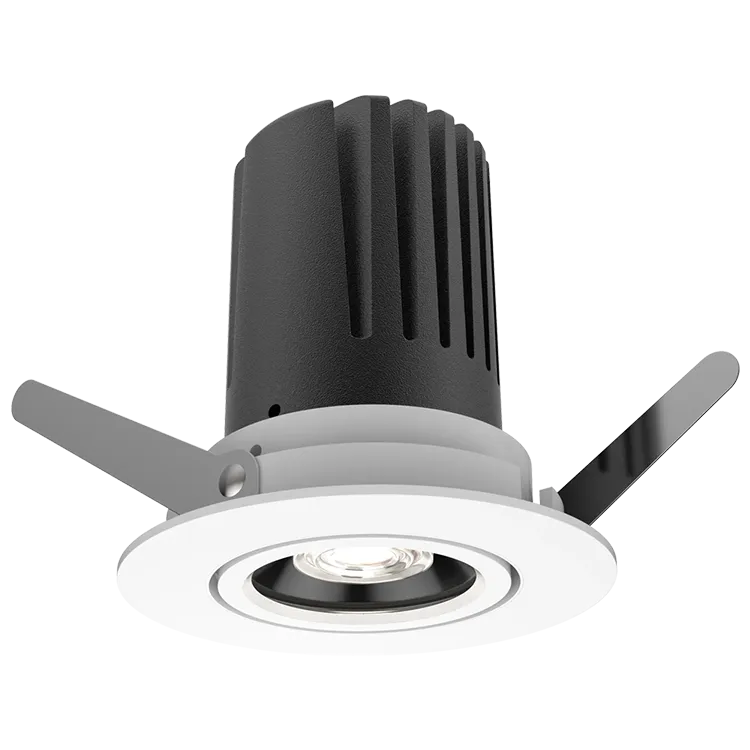
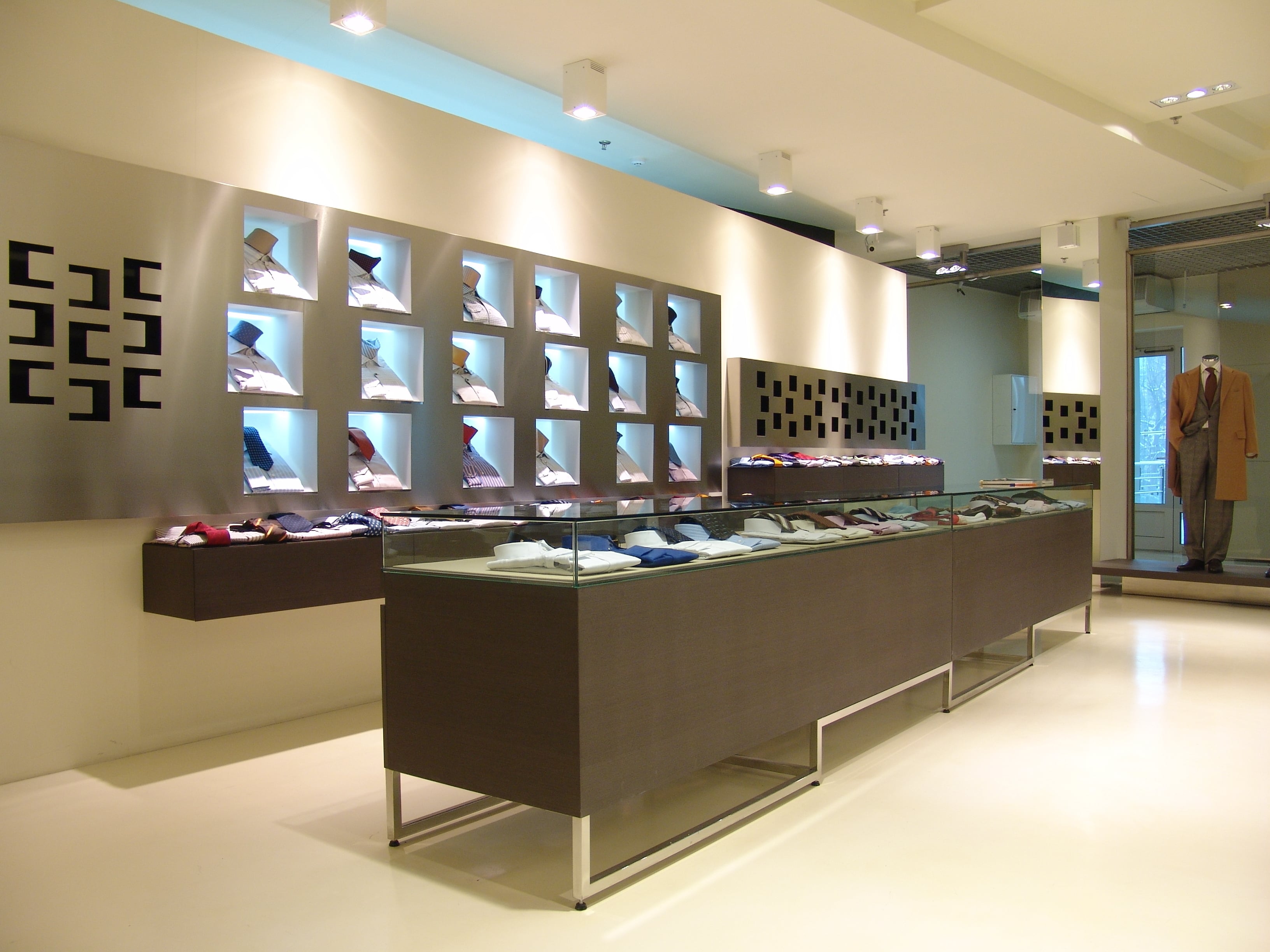
• Accent lighting is directional lighting, employed to emphasise a particular object or to draw attention to a display.
• Ambient lighting is the general lighting in any given area. While it excludes task and accent lighting, it incorporates room lighting and the level of available daylight.
• Daylight harvesting is the term employed when an interior lighting design incorporates daylight as a way of reducing energy consumption.
• Task lighting describes the use of supplemental lighting provided to assist in performing a localised task. Table or inspection lamps are obvious examples.