Free UK Delivery On Orders Over £500*
Secure Ordering
Up To 5 Year Warranty
5* Service & Support

What are LEDs?

It stands for light-emitting diode. This small electronic device produces light when electricity flows through it. Unlike traditional bulbs, which rely on a filament, these devices convert electricity directly into illumination, generating minimal heat.

This technology allows lights to last longer and consume far less energy than conventional options. They are now a common choice for homes, offices, and commercial spaces where reliability and efficiency matter.

How Light-Emitting Diodes Work

Inside an LED, two layers of semiconductor material interact when current passes through them, producing light in a process called electroluminescence. The brightness and colour depend on the materials used in the diode.

Advantages include:

  • Durability, able to withstand shocks and vibration

  • Low heat output for safer operation

  • Instant full brightness without warm-up time

The compact size of these devices allows versatile applications, from under-cabinet home lighting to large-scale commercial installations.

Choosing the Right Colour and Brightness

When selecting lighting, it is important to consider both brightness and colour temperature. Brightness is measured in lumens, not watts, while colour temperature affects the mood of a space. Warm white (2700–3000K) creates a relaxed atmosphere, while cool white (4000–6500K) supports focus and productivity.

Understanding what LEDs are makes it easier to select the correct colour and brightness for each setting, ensuring the lighting is comfortable and effective. For guidance, check what LED colour temperature you should buy.

Benefits of This Lighting Technology

This type of lighting offers several advantages:

  • Energy efficiency: Uses considerably less electricity than traditional bulbs, reducing energy bills 
  • Long lifespan: High-quality units can operate for tens of thousands of hours before replacement 
  • Safety: Low heat output decreases fire risk and makes them suitable for enclosed spaces 
  • Environmental impact: Lower energy consumption and recyclable materials help reduce carbon emissions 
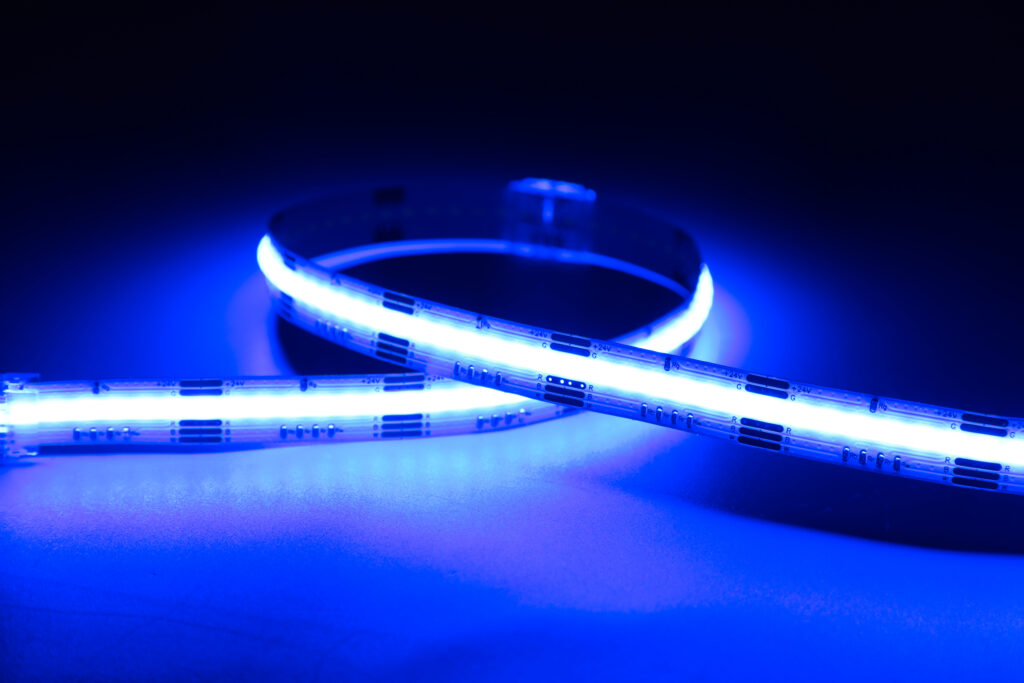
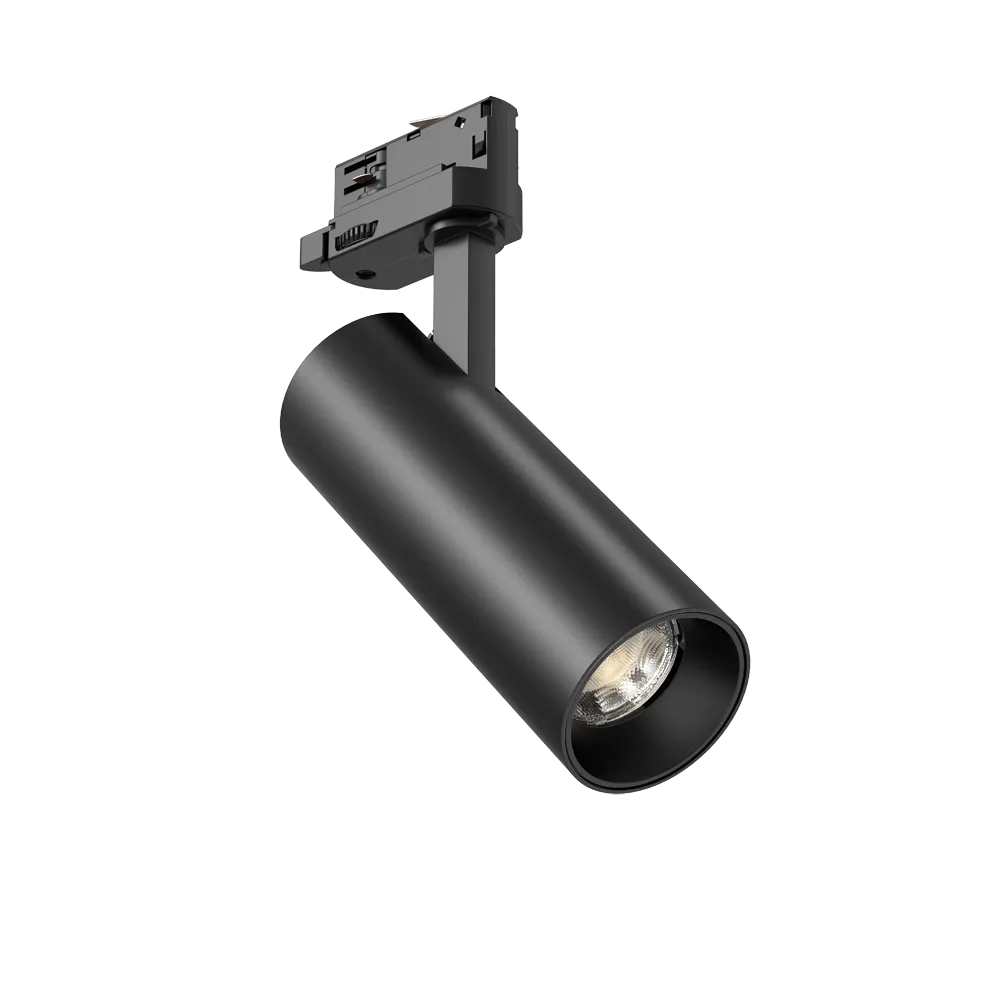
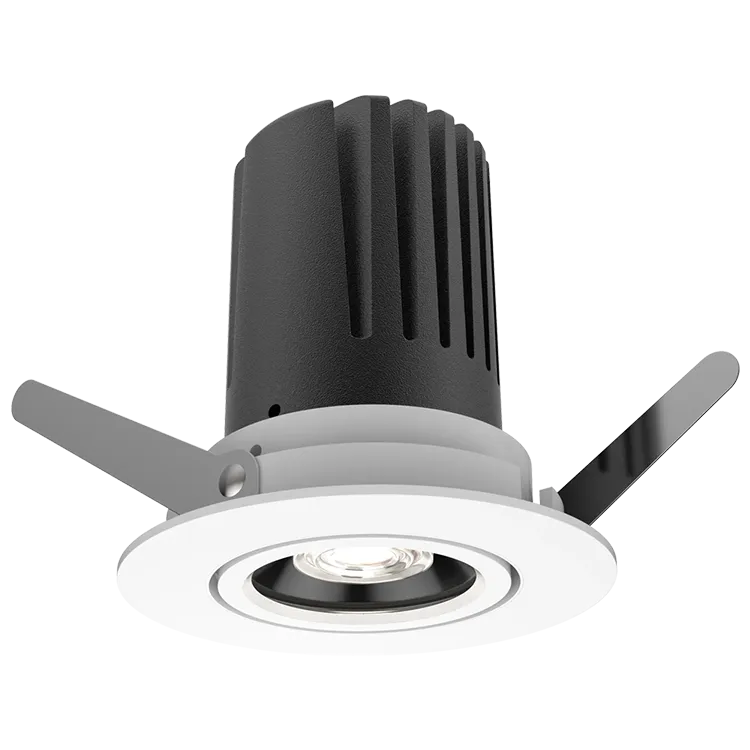
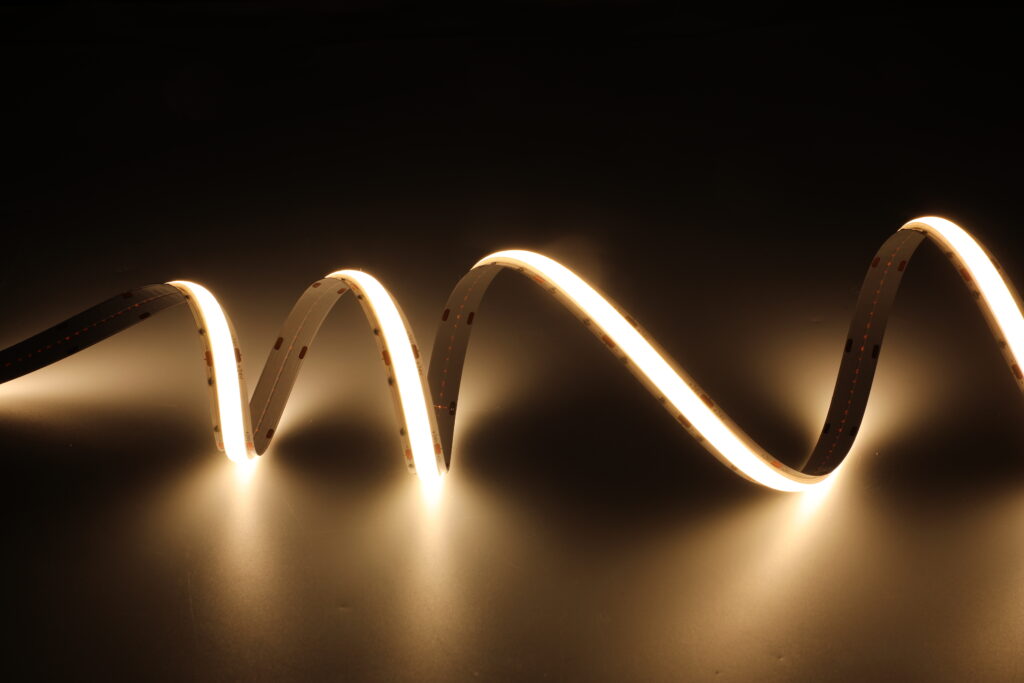
  • Flexibility: Suitable for panels, strips, spotlights, and decorative lighting 

In hospitality and retail, they are ideal for creating the right ambience. Explore restaurant lighting solutions that combine efficiency with design.


Applications Across Homes and Offices

LEDs are highly versatile and can be used in multiple settings:

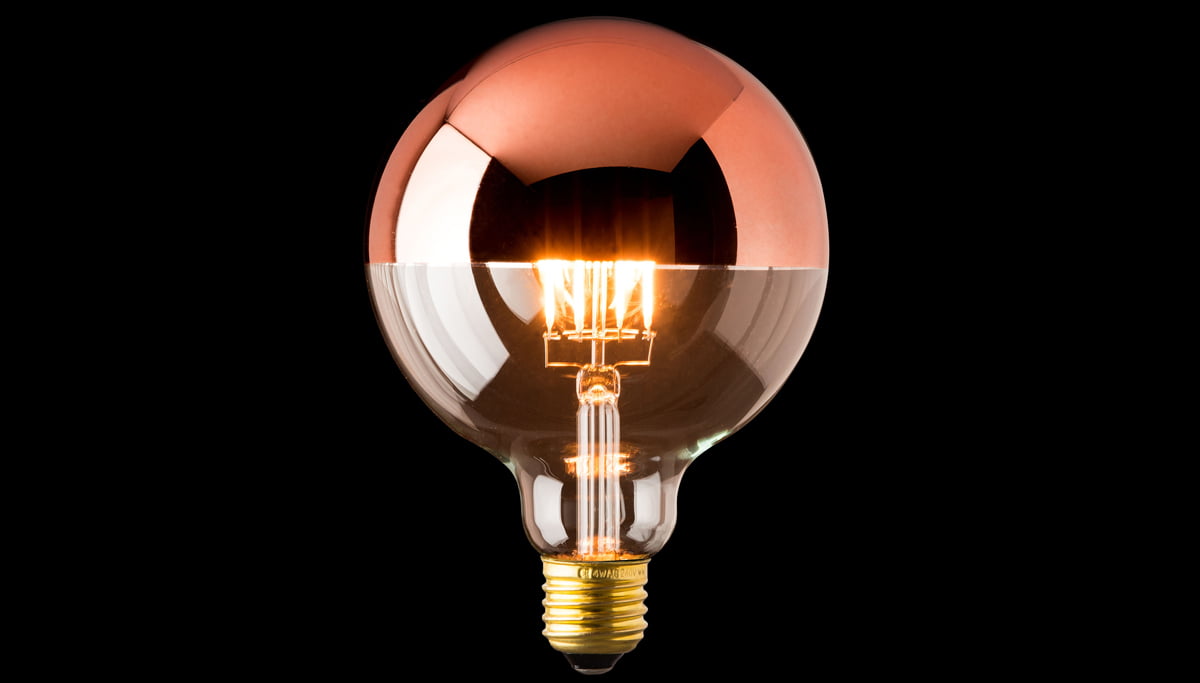
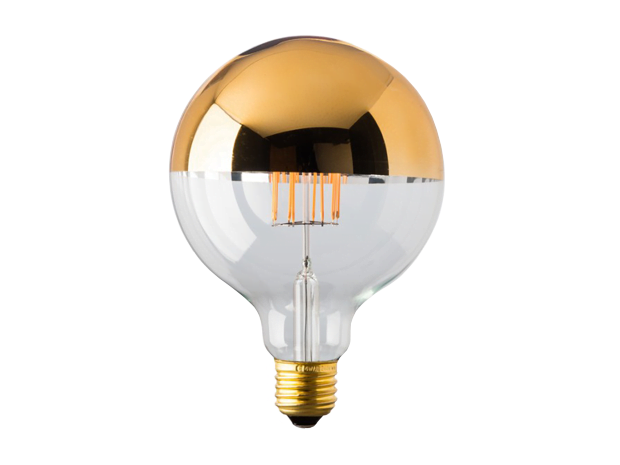
  • Homes: Ceiling fixtures, lamps, and accent lighting provide reliable and energy-efficient illumination. Many homeowners now rely on LED light bulbs for long-lasting, low-energy performance.

  • Offices: Panels and task lighting enhance productivity and comfort. Check out office lighting options suitable for modern workspaces.

  • Retail and hospitality: Displays, signage, and ambient lighting benefit from longevity and low energy consumption. Proper lighting highlights products and creates inviting environments.

  • Industrial and outdoor: Durable, weather-resistant units provide reliable illumination for warehouses, workshops, and streets, supporting safe operations in various conditions.

Knowing what LEDs are ensures these applications are both practical and efficient.

Myths About LED Lighting

Several misconceptions persist:

  • Too harsh or cold: Modern designs offer a wide range of shades, including warm tones suitable for living spaces.

  • Expensive to run: While the initial cost may be higher than traditional bulbs, energy savings and lifespan make them cost-effective over time.

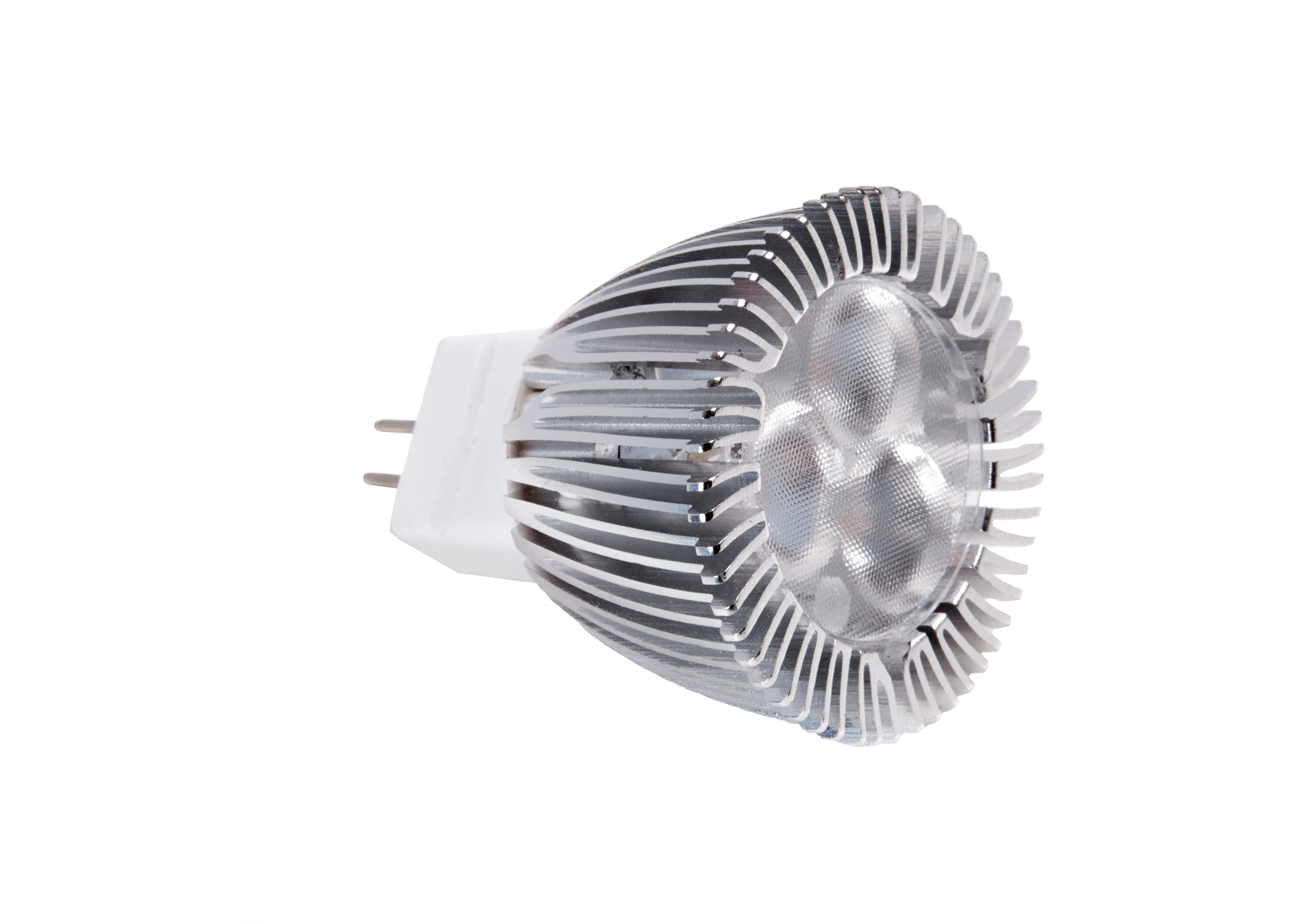
  • Cannot be dimmed: Many units are compatible with dimmer systems. Watch this MR11 LED dimmable video to see how dimming works effectively.

  • Environmentally unfriendly: LEDs use minimal electricity, contain no harmful substances, and are often recyclable.

Clarifying these myths highlights the value of LEDs in both residential and commercial settings.

Choosing the Right Unit

When selecting this lighting, consider the following:

  • Brightness: Choose lumens appropriate for the room size and function

  • Colour temperature: Select warm or cool tones based on the environment

  • Beam angle: Narrow beams focus light on a specific area; wide beams distribute light evenly

  • Compatibility: Ensure fittings and dimmers support the chosen product

Proper consideration of these factors ensures comfort, efficiency, and longevity of the lighting.

Advantages for Homes and Businesses

Switching to modern lighting reduces electricity bills and maintenance needs. Homes benefit from safe, cool illumination with less frequent replacements. Businesses experience improved operational efficiency, lower energy consumption, and more sustainable lighting systems.

For hospitality and retail settings, high-quality lighting enhances the customer experience and reduces operational costs. In offices, it improves comfort and focus, contributing to a healthier work environment.

Additional Benefits

Beyond energy savings and longevity, modern lighting provides several extra advantages:

  • Customisation: Fixtures can be adapted for decorative or functional purposes

  • Reduced heat output: Less heat helps maintain comfortable indoor temperatures

  • Durability: Resistant to vibration, impact, and temperature changes

  • Low maintenance: Less frequent replacements and repairs save time and effort

  • Wide range of applications: Suitable for homes, offices, commercial, and outdoor environments

Understanding what LEDs are and their benefits allows you to choose the right solution for your specific needs.

FAQs

What are LEDs made of?

LEDs are composed of semiconductor materials such as gallium, arsenic, or phosphorus, which emit light when electrically charged.

Can LEDs be used with existing fittings?

Most modern units replace traditional bulbs directly. Always check the fitting type and power rating.

Do LEDs flicker?

High-quality units do not flicker. Flickering usually occurs with low-quality drivers or incompatible dimmer switches.

How long do LEDs last?

A high-quality diode can last between 25,000 and 50,000 hours depending on usage and environmental conditions.

Find Out More

Discover a wide range of energy-efficient lighting options with Sera Technologies. Whether upgrading a home, office, or commercial space, there are solutions to suit every requirement. From creating the perfect atmosphere in hospitality environments to improving productivity in workplaces, and providing reliable illumination for everyday use, Sera Technologies offers expert guidance and high-quality products to meet your needs.

LED BULBS

Shop our wide variety of high quality LED bulbs

BROWSE LED BULBS NOW